Business Ethics: Case Studies and Selected Readings

In the last decade, concerns over the ethics of engineering science take been brought to the forefront of it (IT) conversations. Often unknowingly, data technology professionals are confronted every day with various ethics scenarios, from having admission to an individual's private data to having the ability to manipulate and share a big-name company'southward data. So, how do ethics play into IT, and why is it of import to go along studying so-chosen "technoethics" to ensure our computer-oriented future is every bit ethical as possible?
Who Is an IT Professional?
At a fundamental level, information applied science is the storage, usage, manipulation, and/or transfer of data via a computer system. Information technology professionals play various roles in maintaining intricate computer systems, including constructing, repairing, and managing the hardware and software that make up these systems. It professionals are also responsible for the menstruum of data between computer systems.
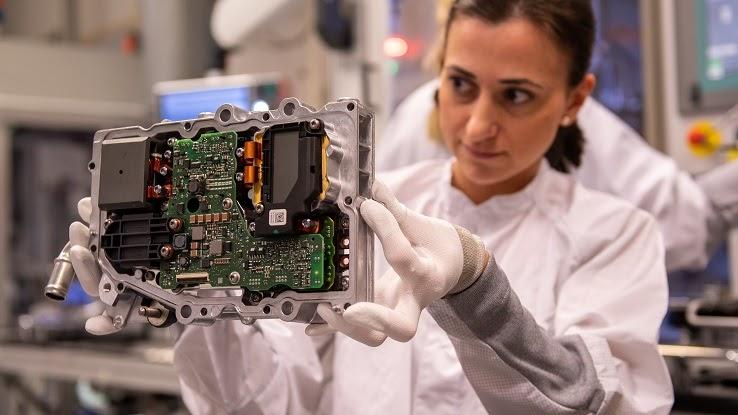
There are unlike disciplines within it that an It professional can focus on. Those who piece of work in software development and programming are responsible for the evolution of computer coding, including lawmaking for computer applications, online websites, and devices. These tech wizards design programming that spans across multiple systems and allows for uniformity of shared tech.
Alternatively, those who work in It support and network administration handle issues with pre-existing hardware and software. They tackle issues that ascend in personal and joint computer systems, including declining network connections and viruses, and they assistance to observe solutions every bit quickly as possible. They're involved in the processes that continue computer systems from crashing, such as managing network updates, improving the user interface, and treatment the installation of new software.
Why is it important for ethics to exist studied alongside it? IT professionals, by nature, take access to a boatload of sensitive information. Since they are employed in diverse workplaces — including healthcare, business organization, and banking — the information that they are able to view and dispense can raise security issues.
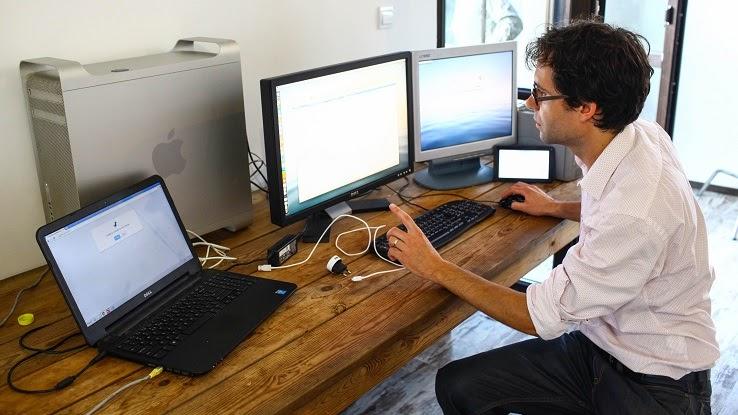
That is, many It pros are able to access information that gives them a degree of power over an individual or a grouping, even if they have no directly intentions to utilise this power over anyone. Chances are, many good-natured IT professionals may not consider the means in which this power could be abused.
Despite the very existent breaches of privacy that tin can occur in IT work, in that location is currently no standard policy of Information technology ethics. Information technology pros may not realize the ethical questions that factor into the daily motions of their jobs. By studying ethics alongside IT, professionals can become more than aware of the lines that they should not cantankerous and avoid causing harm to their employers, clients, or even themselves.
Applying codes of ethics in Information technology can assist minimize harm and prevent the misuse of sensitive information. This co-operative of ethics, dubbed "technoethics" — that is, the overlap betwixt technology and ethics — can keep It professionals from slipping into ethically murky territory as our applied science-focused world continues to expand.
Upstanding Bug in Information technology
What are some of the upstanding issues that professionals may meet working in it?

Privacy: IT professionals have access to a substantial amount of personal information, frequently including individual's e-mail accounts, business or banking information, healthcare info, and more than. Although virtually It pros don't go snooping around for this information, these techs are able to admission this info while working on an individual or interconnected figurer organization. This can raise concerns of personal and visitor-wide privacy. Is it ethical to view this information, and potentially share this data with visitor heads or managers?
Data Sharing: Since the expansion of engineering has allowed our personal browsing data to become accessible to networks and It companies (e.g., getting targeted ads from online stores), many tech companies have the opportunity to sell this data to businesses that can cater a more individualized web experience to clientele. While this may seem harmless, some consider information technology unethical to sell an private's web data without their straight consent.
Workplace Control: Interfering in technology and data on behalf of a company exercises control over employees. Having admission to their personal data and being able to dispense, delete, or betrayal this information can result in the potential of non-ethical monitoring that may make employees feel distrustful of their employers and tech teams.
Security + Liability: IT professionals are often the ones left cleaning up the messes of hackers and viruses, but how much can ane promise to protect a company confronting? Information technology pros who help with security concerns must be careful not to make unfounded promises (e.k., "with this software, you'll never go hacked") or they may discover themselves liable when breaches strike. These pros also must be transparent about the cost/labor of installing various software without convincing companies to pay extra for services that they may not demand.
Artificial Intelligence (AI) Programming: Every bit AI technology grows in most websites and appliances, some IT professionals confront ethical dilemmas in identifying how much information ane should collect using AI bots and whether information technology'southward unethical to not communicate with a consumer that they are talking to a real person in customer support chats.
Ethical Challenges for Informational Engineering science Employees
What kind of ethical problems might IT professionals run into at work? Since Information technology pros frequently have the ability to view the files, information, and emails that an individual has stored on their computer, they oft face privacy dilemmas. If an individual is working in IT for a company and is able to glimpse into the applications, photos, emails, and documents of an employee at that company, should they keep an middle on downloads or emails? Is there a way to justify monitoring private information?

Just considering an IT pro can view these files doesn't mean they should; later all, y'all wouldn't want a coworker rifling through your personal belongings. While It pros may justify the desire to monitor downloads to prevent the potential downloading of NSFW (not safe for work) content or viruses, failing to inform those who work for the company of the specific data that is beingness monitored may break some ethical guidelines.
Another ethical issue regards accessing information about a specific visitor or organization. What if at that place is something in their files or documents that points to harmful activeness? What if y'all end up working for their competitor downwardly the line and can help their competitor get an edge over them?
Admission to an entire network'due south information supplies an Information technology professional person with substantial ability, but information technology also demands the responsibility of weighing how gained knowledge can be used. In the case that you sign an NDA (not-disclosure agreement), your hands may be tied on sharing sure information.
Ultimately, there isn't a straightforward answer for about scenarios regarding Information technology ethics. The study of ethics in applied science is a fairly new conversation, which means that using your discretion in each situation is crucial to maintaining an ethical approach in your work. Recognizing the consequences of your behaviors, skilful and bad, is what will set you apart from other It pros. Considering individual ethical dilemmas and potential solutions can help you make moral choices in any ethically foggy situation.
Source: https://www.reference.com/business-finance/importance-ethics-information-technology-aa2450ed890d3574?utm_content=params%3Ao%3D740005%26ad%3DdirN%26qo%3DserpIndex

Post a Comment for "Business Ethics: Case Studies and Selected Readings"